

The Allure of Gambling
The psychology behind gambling in casinos is intricately linked to human emotions and cognitive processes. One of the primary factors driving individuals to gamble is the thrill of excitement and anticipation. Casinos are meticulously designed to create an atmosphere rich in sensory stimulation, including bright lights, vibrant sounds, and visually enticing displays that capture attention. This stimulating environment encourages gamblers to lose track of time and their surroundings, amplifying the excitement associated with making the next bet or exploring bitcoin sports betting sites that offer unique opportunities for wagers.
Moreover, the concept of potential rewards plays a crucial role in the gambling experience. The possibility of winning money activates the brain’s reward system, leading to the release of dopamine, a neurotransmitter associated with pleasure and satisfaction. This chemical reaction can create an addictive cycle, where individuals chase the euphoric feelings linked with winning while disregarding the risks involved. The intermittent reinforcement schedule of wins—where victories occur sporadically rather than consistently—further enhances this behavior, making it increasingly difficult for gamblers to walk away from their bets.
In addition to physiological responses, social dynamics significantly influence gambling behavior. Many people engage in gambling activities in groups, fostering a sense of community and camaraderie. This social aspect can make the experience more enjoyable and less solitary, encouraging individuals to participate in gambling activities more frequently. The combination of excitement, the allure of potential rewards, and social interaction creates a compelling formula that keeps individuals returning to casinos, seeking both thrills and a sense of belonging.
The Role of Cognitive Biases
Cognitive biases are systematic patterns of deviation from norm or rationality in judgment, and they play a significant role in how gamblers perceive their chances of winning. One prominent bias is the illusion of control, which leads individuals to believe they can influence outcomes in games of chance. For instance, a player might think that their betting strategy can affect the roll of dice or the spin of a slot machine, despite the inherent randomness of these outcomes. This belief can lead to reckless betting and a continued investment of time and money in gaming activities, as individuals cling to the notion that they can outsmart the odds.
Another common cognitive bias is the gambler’s fallacy, which refers to the misconception that past events influence future probabilities in random scenarios. For example, a gambler might think that if a roulette wheel has landed on red several times consecutively, black is «due» to appear next. This flawed reasoning can lead to poor decision-making and an increased risk of significant losses, as gamblers may wager larger amounts in hopes of reversing perceived trends. Such cognitive distortions can be particularly dangerous, leading to a cycle of chasing losses and escalating bets in an effort to regain control.

These cognitive distortions are often exacerbated by the casino environment, which is designed to make players feel comfortable and confident. The absence of windows and clocks creates an escape from reality, further contributing to these biases. As gamblers become entrenched in their beliefs about luck and skill, it becomes increasingly challenging for them to recognize the inherent randomness of the games they play, leading to ongoing gambling despite significant losses. Awareness of these biases is crucial for developing healthier gambling habits and fostering a more realistic understanding of chance.
Addiction and Its Psychological Impact
Gambling addiction is a serious psychological disorder that can have devastating effects on individuals and their families. The compulsive nature of gambling often leads individuals to prioritize their next wager over essential responsibilities, relationships, and even their health. Psychological studies suggest that gambling addiction can create a dependence in the brain similar to substance abuse, leading to withdrawal symptoms when individuals are not engaging in gambling activities. This craving for gaming can become overwhelming, resulting in increased financial and emotional distress, as individuals find themselves unable to break free from the cycle of gambling.
The impact of gambling addiction extends beyond the individual to loved ones and the community. Families may experience strain due to the financial burden and emotional volatility caused by a gambler’s addiction. Relationships often suffer, leading to feelings of isolation and despair among both gamblers and their families. Support networks can become strained as the individual prioritizes gambling over shared activities or responsibilities, resulting in a cycle of mistrust and disappointment. The social repercussions of gambling addiction can be far-reaching, affecting not just the gambler, but also their closest relationships.
Recovery from gambling addiction is a challenging journey that often requires professional intervention. Psychological therapies, such as cognitive-behavioral therapy (CBT), have proven effective in helping individuals reframe their thoughts about gambling and develop healthier coping strategies. These treatments aim to address the underlying issues contributing to gambling behaviors, creating pathways for individuals to rebuild their lives and restore relationships affected by their addiction. Support groups and community resources are also vital in providing the encouragement and understanding necessary for individuals on the road to recovery.
The Casino Environment: Triggers and Temptations
The design of casinos is meticulously crafted to enhance the gambling experience and trigger emotional responses from patrons. One major element is the layout of the casino floor, which often encourages patrons to navigate through a maze of games and slot machines. This design tempts them to engage in spontaneous betting as they witness others winning, creating an atmosphere of enthusiasm and excitement that can be hard to resist. The proximity of different types of games—from table games to electronic machines—provides a constant invitation to play, contributing to impulsivity in decision-making.
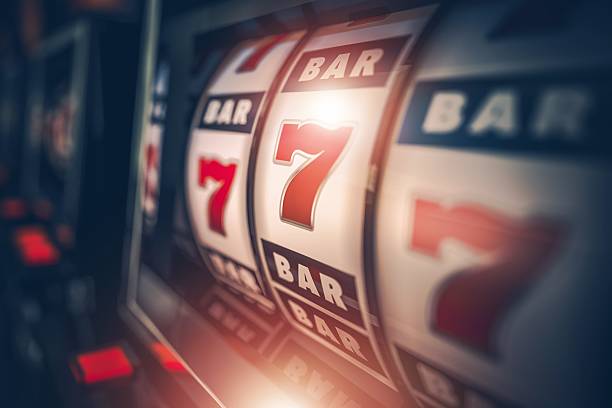
The ambient sounds within a casino also play a significant role in the psychological atmosphere. The sounds of coins clinking, bells ringing, and the cheers of winners create a symphony of exhilaration that further entices players to join in. Additionally, the use of music is strategically deployed to enhance mood and reduce the awareness of time spent gambling. This sensory overload can cause individuals to lose track of their gambling limits, leading to excessive play and financial consequences. The psychological impact of these auditory stimuli cannot be understated, as they create a sense of urgency and excitement that encourages prolonged engagement.
Moreover, casinos often employ tactics such as complimentary drinks and loyalty programs, reinforcing the idea that the casino is a welcoming place. These factors can lead gamblers to feel a sense of loyalty while blurring the line between entertainment and compulsive behavior. The combination of environmental factors and psychological triggers creates a powerful mix that keeps gamblers engaged, making it essential for individuals to remain aware of their motivations and behaviors while gambling. Understanding these triggers can help patrons develop strategies to mitigate their impact and promote responsible gambling practices.
Understanding Casino Psychology for Responsible Gambling
Understanding the psychology of gambling in casinos is crucial for promoting responsible gambling behavior. By recognizing the factors that can lead to compulsive gambling, individuals can take proactive steps to manage their gambling habits. Education about the psychological triggers and cognitive biases associated with gambling empowers players to make informed decisions, helping them set limits and recognize when it is time to leave the gaming floor. Being aware of these influences can help individuals approach gambling as a form of entertainment rather than a means of financial gain.
Additionally, casinos themselves have a role to play in promoting responsible gambling. Implementing strategies such as self-exclusion programs, where players can voluntarily ban themselves from gambling activities, can create a safer environment for those susceptible to addiction. Furthermore, providing resources and support for individuals struggling with gambling demonstrates a commitment to player well-being and fosters a more respectful relationship with patrons. These initiatives can help normalize discussions around gambling addiction and encourage individuals to seek help when needed.
Overall, a deeper understanding of the psychology of gambling can lead to healthier gaming habits and a more balanced approach to leisure activities. As the lines between entertainment and addiction can often blur, both individuals and the industry must prioritize responsible gambling practices to ensure a safe and enjoyable experience for all. Cultivating awareness and promoting healthy behaviors can contribute to a more positive gambling culture, where enjoyment does not come at the expense of well-being.